
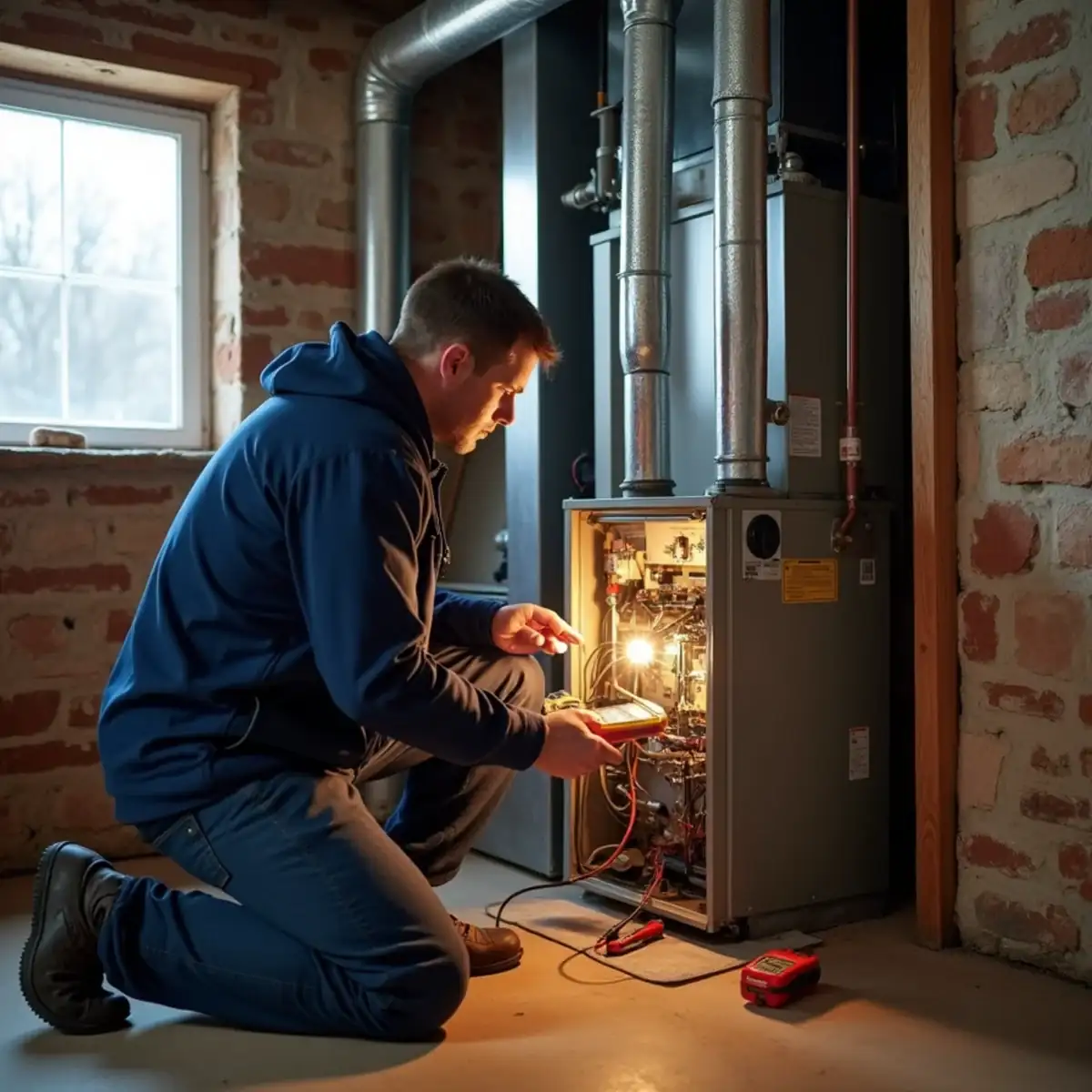
Pittsburgh Furnace Repair · Answering 24/7
24/7 Furnace Repair in Pittsburgh, PA
Furnace out, blowing cold air or shut off by the gas company? Call (321) 478-0693 any hour. A local furnace technician diagnoses it and gives you the price before any work starts.
Answering 24/7 · nights, weekends, holidays
- Calls answered 24/7
- Insured local furnace technicians
- Price before work starts
When a furnace quits in a Pittsburgh January, the house can drop into the 50s within a few hours and exposed pipes start to worry you not long after. Pittsburgh Furnace Repair answers the phone 24 hours a day and sends insured local furnace technicians to homes across the city and the suburbs, from brick houses in Brookline and Lawrenceville to split-levels in Bethel Park.
We work on one thing: gas forced-air furnaces. That covers no-heat calls, ignition and flame sensor faults, blower and inducer motors, cracked heat exchangers and red tags, yearly tune-ups, and full replacements when a furnace has reached the end of its life.
Pittsburgh averages about 44 inches of snow a winter, and cold snaps push overnight lows into the teens or below zero, so a no-heat call here is rarely just an inconvenience. In older brick homes the cause isn't always the obvious part, either. A reset can bring the heat back for an hour while a blocked flue, a failing safety control or a cracked heat exchanger is still there. That's why every visit starts with testing, not guessing.
What to do in the first 30 minutes without heat
Most no-heat calls start the same way: the thermostat is calling, the vents blow cool air or nothing at all, and the house keeps getting colder. Here's what to do while you get help moving, in this order.
1. Check for danger before anything else
2. Do only the safe checks
- Thermostat: set to Heat, setpoint a few degrees above room temperature, and the display has power. Replace the batteries if it's blank.
- Furnace switch and breaker: the service switch near the furnace is on and the breaker hasn't tripped. Reset a tripped breaker once. If it trips again, leave it off.
- Filter: pull it and look. A clogged filter can trip the high-limit switch and shut the burners off. Replace it only with the right size.
- Registers: supply vents are open and not covered by furniture or rugs.
- Outside vents on a high-efficiency furnace: the two white PVC pipes are clear of snow and ice.
Stop there. Don't open the burner compartment, bypass a limit, rollout or pressure switch, touch the gas piping or work on wiring. If the furnace still won't run, short-cycles, smells unusual or keeps tripping the breaker, it needs a technician. Our furnace not working checklist goes through each check in more detail.
3. Protect the house while you wait
- Close doors to unused rooms and keep everyone in one or two warm rooms.
- On very cold nights, open the cabinet doors under sinks on exterior walls and let faucets drip so pipes don't freeze.
- Use only space heaters listed for indoor use, with clearance from bedding and curtains. Never heat the house with an oven, grill, propane heater or generator.
- Keep kids and pets away from the furnace area.
4. Have this ready when you call
- Your address and the best number to reach you
- What the furnace is doing: no heat, cold air, short cycling, noise, smell, water or a blinking light
- Any error code or blink pattern, and a photo of the model plate if you can see it safely
- Whether anyone in the house is elderly, very young or medically vulnerable to the cold
- Whether the gas company has shut off or tagged the furnace
- Your questions about the diagnostic charge and any after-hours rate, which you'll hear before a technician is dispatched
Furnace services
What we fix in Pittsburgh furnaces
No Heat Repair
Furnace running but the house is cold, or not starting at all? We send a local technician to find the failed ignitor, flame sensor, pressure switch, limit or drain, explain it in plain terms and give you a price before work starts, any hour of any day.
No Heat Repair in PittsburghFurnace Replacement
When a furnace is past repair, we send a local technician to size the new one with a load calculation, sort out 80% versus 95% venting, chimney liners and condensate drains, and install it with a full start-up test. You see the complete price before work starts.
Furnace Replacement in PittsburghBlower Motor Repair
A furnace that hums, squeals, rattles or pushes weak air usually has a blower, inducer, capacitor or control problem. We send a local technician to measure amps, capacitance and static pressure, pinpoint the failed part and give you a price before any work starts, any day of the week.
Blower Motor Repair in PittsburghRed-Tagged Furnace
The gas utility or a technician shut your furnace off and hung a red tag on it. We send a technician to confirm the fault, test for carbon monoxide, check a cracked heat exchanger diagnosis with a camera and combustion readings, and give you a firm price to repair or replace before work starts.
Red-Tagged Furnace in PittsburghEmergency Furnace Repair
Furnace dead on a freezing night, a weekend or a holiday? Calls are answered 24 hours a day, every day. We dispatch a local technician for dead furnaces, ignition and blower failures, tripped safeties and water around the unit, and you hear the price, including any after-hours rate, before work begins.
Emergency Furnace Repair in PittsburghFurnace Tune-Up
A step-by-step furnace tune-up and safety inspection: burners, flame sensor, heat exchanger, combustion and carbon monoxide testing, gas pressure, airflow, condensate drains and chimney or PVC venting. Book in the fall, before the first Pittsburgh cold snap, and catch small faults before they become a no-heat call.
Furnace Tune-Up in PittsburghLocal know-how
Furnace problems we see in Pittsburgh homes
Pittsburgh's houses are old by national standards. The median city home was built around 1942, and close to half were built before 1940. That history shows up in the basement. These are the furnace problems that come up here far more often than in a newer city:
- 1
Furnaces venting into old brick chimneys
Many 80% furnaces still exhaust into a masonry chimney built for coal or an older boiler. When the old water heater or furnace that shared it is replaced, the chimney can be too big and too cold to draft properly. Condensation eats mortar, flue gas lingers, and safety switches trip. A technician checks draft and the liner before calling it a furnace fault.
- 2
Frozen condensate lines and blocked PVC vents in a deep freeze
High-efficiency furnaces drain water and vent through plastic pipe. On a below-zero night, a condensate line in a cold crawlspace can freeze, or a sidewall vent can ice over or sit under a snow drift. The furnace locks itself out to stay safe, and the house goes cold even though nothing is broken inside the cabinet.
- 3
Ductwork retrofitted into pre-war houses
Plenty of city homes were built for radiators or gravity heat and had ducts added later, squeezed through closets and floor joists. Undersized returns starve the blower, the furnace overheats on its high limit, and the back bedrooms never warm up. The fix is sometimes airflow, not parts.
- 4
Red tags from the gas utility
When Peoples or Columbia Gas finds a cracked heat exchanger, high carbon monoxide or a venting problem, they can shut the furnace off and tag it. You need a qualified repair or a replacement before the gas comes back on. We give second opinions and fix what can be fixed.
- 5
Furnaces in damp basements
Hillside lots and creek valleys mean wet basements. Water rusts burners and heat exchangers, corrodes gas valves and wiring, and kills control boards. After a basement floods, a furnace should be checked before it's fired again.
The older-home furnace audit: questions to ask
In a pre-war Pittsburgh house, the furnace is only part of the system. Before a repair or replacement is called finished, the technician should be able to answer these:
- Where do the combustion gases go, and was the flue or chimney draft checked?
- Is the heat exchanger safe, and was combustion tested for carbon monoxide?
- Is there enough combustion air in a tight or finished basement?
- Is airflow limited by the filter, the blower, an undersized return or closed registers?
- If the furnace or water heater is replaced, will the chimney need a liner?
- Will a new furnace need new venting, a condensate drain, electrical work or a permit?
Heating with a boiler and radiators?
That’s a different system. Our sister service, Pittsburgh Boiler & Heating Repair, handles boiler and radiator homes.
Furnace warning signs and the right first move
A symptom points to a few likely causes, not a confirmed part. Use this table to decide what to do right now. The technician confirms the cause with testing before anything is replaced.
| Likely cause | Warning signs | What to do now | What the technician tests | Typical repair |
|---|---|---|---|---|
| Clogged filter or restricted airflow | Weak airflow, furnace runs then shuts off, far rooms stay cold | Check and replace the filter; open closed registers | Temperature rise, static pressure, blower speed, return size | New filter, airflow or duct correction |
| Igniter or flame sensor fault | Clicking or a glow but no flame, or a flame that lights and drops out | Try one reset at most, then call | Ignition sequence, igniter resistance, flame-sensor microamps, gas valve | Igniter replacement or flame sensor cleaning |
| Blower or inducer motor failure | Humming, squealing, hot-electrical smell, no air from the vents | Turn the furnace off at the thermostat if it smells hot or sounds wrong | Motor amps, run capacitor, control board, pressure switch | Capacitor, motor or control board replacement |
| Blocked flue, chimney or cracked heat exchanger | Soot, exhaust smell, flame rollout, a yellow or lifting flame, a CO alarm | Leave for any CO alarm and call 911 or the gas utility from outside | Combustion analysis, chimney draft, camera inspection of the heat exchanger | Venting or liner repair, or heat exchanger or furnace replacement |
| Frozen or clogged condensate (high-efficiency furnace) | Water around the furnace, gurgling, lockout during a deep freeze | Shut the furnace off if water reaches wiring; clear snow from the outside vents | Condensate trap, drain line, pump and vent terminations | Clear or reroute the drain, vent correction |
| Thermostat or power problem | Blank display, furnace never starts, breaker trips | Check batteries, the furnace switch and the breaker once | Low-voltage circuit, transformer, fuse, thermostat wiring | Thermostat, transformer or fuse replacement |
Call for a diagnosis when
- The furnace won't start after the safe checks above.
- It starts and stops before the house reaches the set temperature (short cycling).
- You hear scraping, banging or a boom at ignition, or repeated clicking.
- There's a gas, exhaust or hot-electrical smell that doesn't fade after the first run of the season.
- You see water, rust, soot or scorch marks around the furnace or the vent pipe.
- A breaker trips again after one reset, or the same error code keeps coming back.
A dusty smell for the first few minutes of the heating season is normal: it's dust burning off the heat exchanger. A smell that lingers, or any smell of gas or exhaust, is not. For ignition, flame sensor and cold-air problems, see no heat repair; for noises and weak airflow, see furnace blower motor repair.
How it works
From your call to a warm house
- 01
Call any time
A person answers, day or night. Tell us what the furnace is doing, how old it is if you know, and whether anyone in the house is at risk from the cold.
- 02
We dispatch a local technician
The nearest available furnace technician is sent to you. You'll get a time estimate on the call, based on where they are and current weather and traffic.
- 03
Diagnosis, then the price
The technician tests the furnace, explains what failed and why, and gives you the price before any work starts. You decide whether to go ahead.
- 04
Repaired and tested
Once you approve, the repair is made and the furnace is run through a full heating cycle: ignition, flame, temperature rise, safeties and venting.
Before the technician leaves, you should have
- A plain-English explanation of what failed and why, based on testing rather than a guess from one symptom
- The price before any work started, with any diagnostic or after-hours charge shown separately
- Urgent safety repairs kept separate from optional upgrades
- A furnace run through a full cycle: ignition, flame, temperature rise, airflow and safety controls
- An invoice listing the diagnosis, parts installed, price and the technician's warranty terms, plus any unsafe condition you chose to put off
- Panels back on, old parts removed and the work area cleaned up
What furnace repair costs in Pittsburgh
There's no honest single number, because the price depends on what failed, how hard it is to reach and when the call happens. What we can promise is the order of things: the technician diagnoses the furnace, then gives you the price, and nothing is repaired until you agree.
What published local ranges can and can't tell you
Pittsburgh-area HVAC companies and cost guides publish common furnace repairs at roughly $150 to $600, and diagnostic or service-call fees at roughly $75 to $150. Blower motors and control boards usually land above that range; a flame sensor cleaning or a thermostat fix usually lands below it. These are other companies' published figures, not our price list. Use them to judge whether a quote is in the normal range, not to predict your bill.
Why two quotes for the same furnace can differ
- The part and the brand: a universal igniter costs less than a brand-specific control board or ECM blower motor.
- Access: a furnace in an open basement is quicker to work on than one in a tight closet, a crawlspace or under the basement stairs.
- Venting and chimney work: an older furnace venting into a brick chimney may need a liner or flue correction for the repair to be safe.
- Airflow and ductwork: if a clogged return or undersized duct caused the failure, replacing only the part means it fails again.
- Timing: nights, weekends and holidays can carry a different rate, and you're told before dispatch.
- What's included: diagnostic credit, disposal, permits, return visits and warranty.
Questions to ask before you approve work
- Is the diagnostic fee separate, and is it credited toward the repair?
- Does the price include parts, labor, disposal and tax?
- What testing showed this part failed?
- Does the repair restore safe operation, or is there a venting or airflow problem too?
- What warranty comes with the part and the labor, in writing?
For a part-by-part breakdown, read how much furnace repair costs in Pittsburgh.
Repair or replace? A line-by-line decision
Most furnaces we're called to are worth repairing. A single igniter, capacitor or flame sensor doesn't justify a new furnace. Replacement deserves a serious look when safety, age and repair history all point the same way.
Repair usually makes sense when
- The heat exchanger and venting test safe
- The failure is clearly identified and the part is available
- It's the first significant repair in years
- The furnace is well under 15 years old
- It heats the house evenly without short cycling
Replacement deserves a look when
- The heat exchanger is cracked or the furnace has been red-tagged
- Parts are discontinued or back-ordered in the middle of winter
- The same problem, or a string of different ones, keeps coming back
- The furnace is past 15 to 20 years, the typical life of a gas furnace
- It's oversized for the house, short-cycles, or never kept the back rooms warm
Use a worksheet, not a deadline
- Furnace age and model number written down
- Repair history and repeat failures listed
- Safety findings (heat exchanger, carbon monoxide, venting) explained in writing
- The repair price compared with at least one written replacement option
- Chimney, venting, ductwork, gas line and electrical compatibility confirmed for any new furnace
- Permits, disposal, payment terms and warranties compared line by line
Nobody should pressure you into a replacement on the spot. If one is recommended, ask for the evidence and the repair alternative. When replacement is the right call, furnace replacement covers sizing, 80% vs 95% furnaces and chimney liners, and furnace replacement cost in Pittsburgh explains what drives the price.
Why call us
Why Pittsburgh homeowners call us for furnace repair
Answered 24/7
Nights, weekends and holidays. No-heat calls don't wait for business hours, and neither do we.
Furnaces only
Every technician we send works on gas furnaces every day. No boilers, no AC, no plumbing on the side.
Price before work starts
You hear what's wrong and what it costs before a part is replaced. No surprises on the invoice.
Licensed where required, and insured
Every HVAC technician we send is licensed where Pennsylvania requires it, and insured.
Built for older Pittsburgh houses
Chimney-vented furnaces, tight basements, retrofitted ducts and hillside drainage are routine here, not surprises.
Safety comes first
Gas smell or CO alarm? We'll tell you to get out and call 911 or the gas company first. The furnace can wait; you can't.
Want to know how dispatch works and who does the work? Read about Pittsburgh Furnace Repair.
What to verify before you hire any furnace contractor
Pennsylvania has no single statewide HVAC license, so the word "licensed" on its own tells you little. Here's what you can actually check, with us or with anyone else:
- Home improvement registration. Most contractors doing home improvement work in Pennsylvania must register with the Attorney General under the Home Improvement Consumer Protection Act. You can look one up on the Attorney General's contractor registration page.
- Local licensing and permits. Some municipalities, including the City of Pittsburgh, license mechanical contractors and require permits for furnace replacements. Ask who pulls the permit.
- Insurance. Registered contractors must carry liability insurance, with legal minimums of $50,000 for bodily injury and $50,000 for property damage. Ask to see the certificate.
- A written contract for larger jobs. Under the same law, home improvement contracts over $500 must be in writing, with the price, the scope, start and finish dates, and your right to cancel.
- Warranty in writing. Ask what the parts and labor warranty covers, for how long and what's excluded, before work starts.
- Real reviews. Look for dated reviews from real customers, not just a star count.
Service areas
Furnace repair across Pittsburgh and the suburbs
- Penn Hills, PA
No-heat repairs and furnace replacements for 1950s and 1960s forced-air homes.
20 to 25 minutes from central Pittsburgh - Ross Township, PA
Furnace repair and tune-ups from Perrysville to the McKnight Road corridor.
15 to 20 minutes from central Pittsburgh - Bethel Park, PA
Replacements and no-heat calls in 1950s to 1970s South Hills homes.
25 to 30 minutes from central Pittsburgh - Mt. Lebanon, PA
Furnace repair and replacement for the forced-air homes of a pre-war suburb.
15 to 20 minutes from central Pittsburgh - Shaler Township, PA
Furnace repair for post-war homes in Glenshaw and the creek valleys.
15 to 20 minutes from central Pittsburgh - McCandless, PA
Replacements, tune-ups and high-efficiency furnace repairs near North Park.
20 to 30 minutes from central Pittsburgh - Monroeville, PA
No-heat and emergency furnace repair along the Route 22 corridor.
25 to 30 minutes from central Pittsburgh - All service areasCoverage map and drive times
Reviews
What Pittsburgh homeowners say
Customer reviews are on the way
We only publish reviews from real customers, with their permission, and we don’t post star ratings we can’t back up. This space will show them as they come in. If a technician we sent has worked on your furnace, we’d like to hear how it went: call (321) 478-0693.
Furnace guides
Answers before the technician arrives
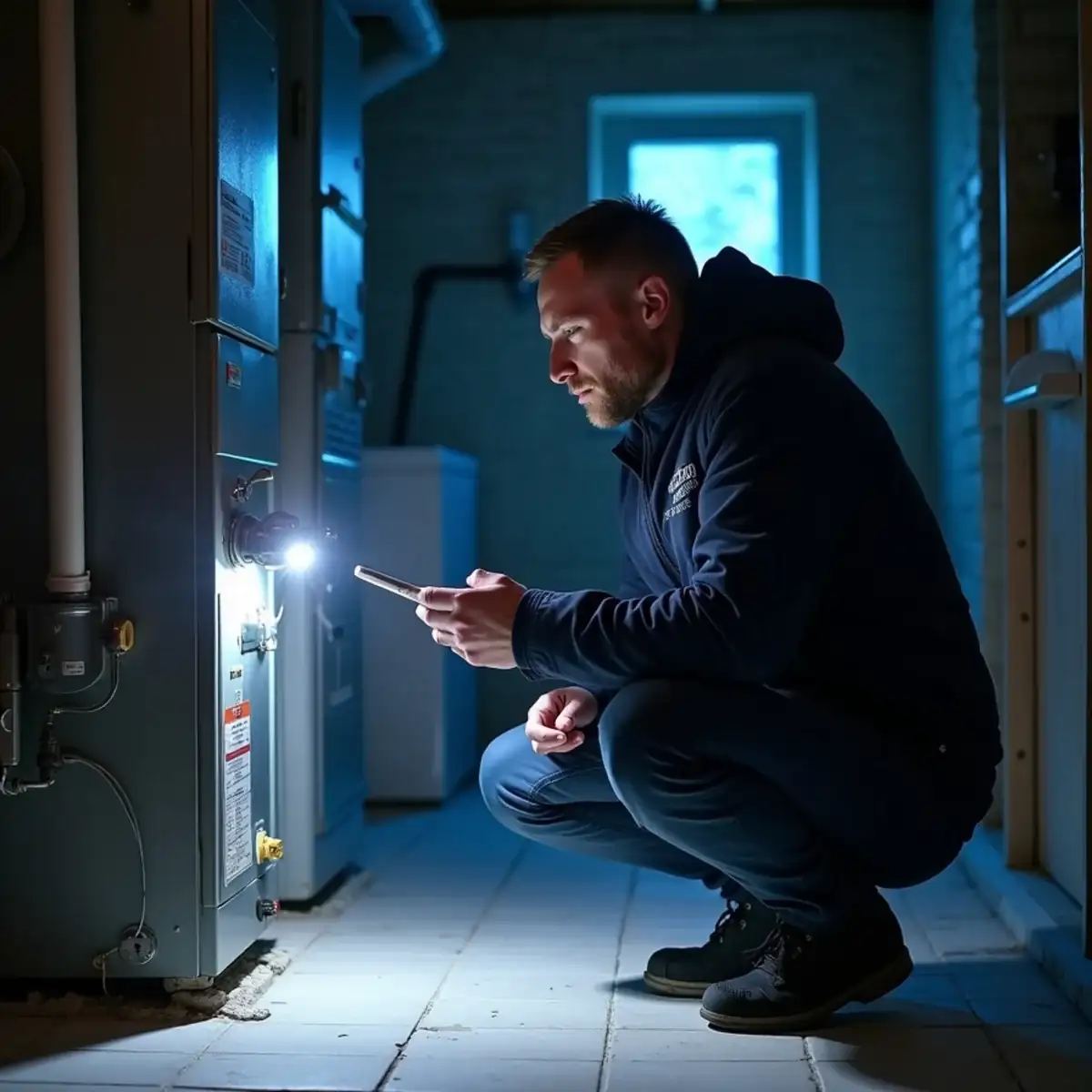
No Heat
Furnace Not Working? 8 Things to Check Before You Call
Before you book a no-heat call, eight quick checks can rule out the simple causes: thermostat, furnace switch, breaker, filter, blower door, gas supply, the status light and blocked PVC vents.
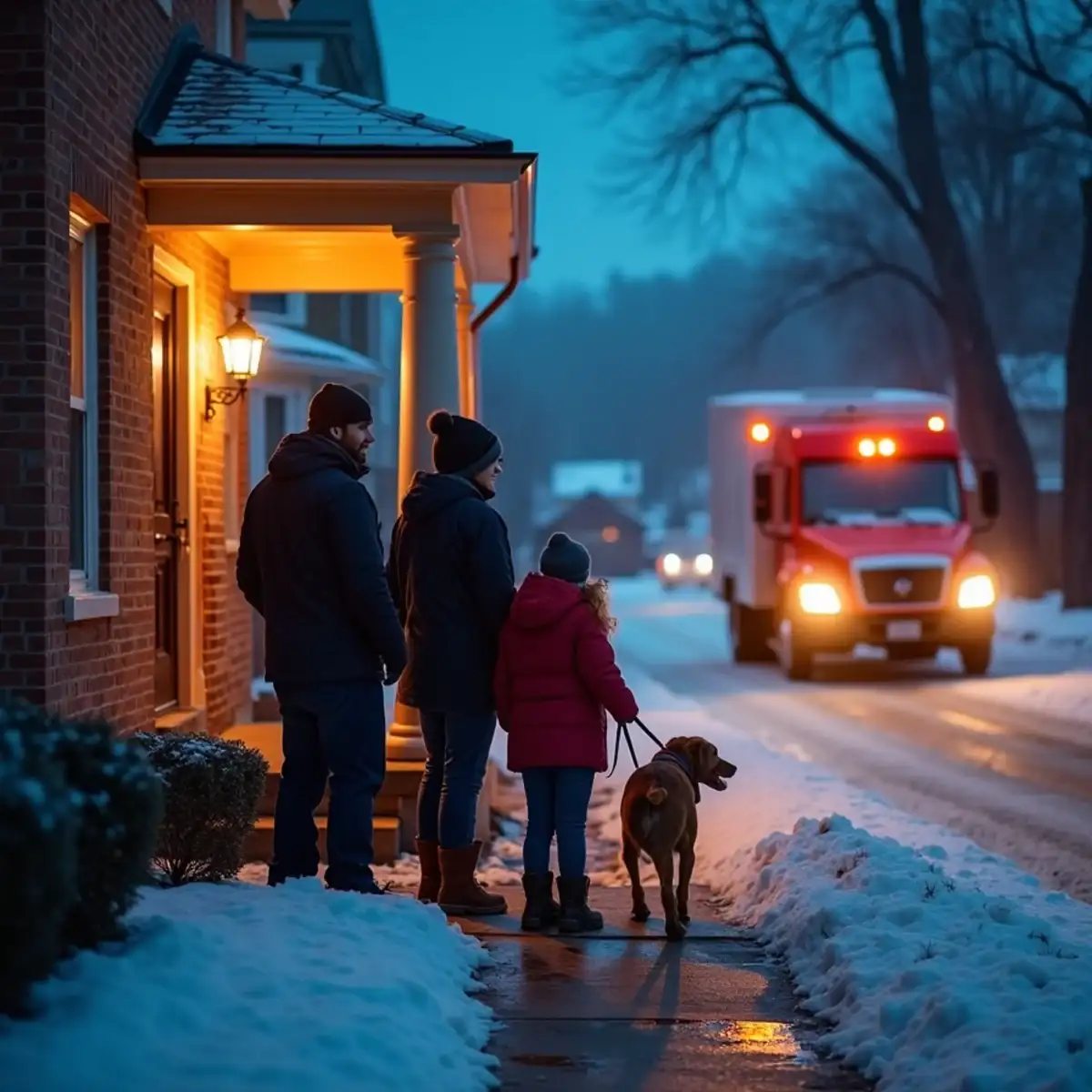
Safety
Gas Smell or a CO Alarm Near the Furnace: What to Do First in Pittsburgh
A gas smell or a sounding carbon monoxide alarm is not a furnace repair problem first. Here is what to do in the first minutes, who to call, and how to get the furnace checked afterward.
Costs
How Much Does Furnace Repair Cost in Pittsburgh?
Published Pittsburgh-area ranges put most furnace repairs in the low hundreds, with motors and boards costing more. Here is what those figures cover, what moves the price and how to read a quote.
Furnace repair questions from Pittsburgh homeowners
How much does furnace repair cost in Pittsburgh?
It depends on what failed and how hard it is to reach. A flame sensor cleaning or a new ignitor is a small job; a blower motor, inducer or control board costs more, and after-hours visits can carry a different rate. The technician diagnoses the furnace first and gives you the price before any work starts, so you can decide. For context, Pittsburgh-area HVAC companies publish common repairs at roughly $150 to $600 and diagnostic visits at roughly $75 to $150; those are other companies' figures, not our price list. Our furnace repair cost guide explains what drives the number.
How quickly can a technician get to my house?
It depends on where the nearest technician is, the weather and how many calls are waiting. During a cold snap, demand jumps across the whole city. When you call (321) 478-0693, you get an estimate based on current conditions rather than a promise printed on a website.
What should I do if my carbon monoxide alarm goes off?
Get everyone out of the house and call 911 or your gas utility from outside. Don't stay in to look for the problem or reset the furnace. Once the responders say it's safe, have the furnace, venting and heat exchanger inspected before it runs again. Our red-tagged furnace page explains what happens if the furnace is shut off.
Is it OK to keep resetting my furnace?
No. One check of the thermostat, the furnace switch and the breaker is reasonable. If the furnace locks out again, a safety control is doing its job: an ignition fault, an overheating limit, a blocked vent or a flame sensor problem. Repeated resets can hide the cause or make it worse. Call for a no heat repair instead.
Should I repair or replace my furnace?
Repair usually makes sense when the furnace is safe, the failure is clearly identified and the unit isn't near the end of its life. Replacement deserves a look when the heat exchanger is cracked, parts are hard to get, the same problems keep returning, or the furnace is past 15 to 20 years. See furnace replacement for how we size and install a new one.
Do you work on boilers and radiators?
No, this service is for gas forced-air furnaces only. If your home has a boiler with radiators or baseboard, our sister service, Pittsburgh Boiler & Heating Repair, handles those systems.
How often should I check or change my furnace filter?
Follow the filter and furnace manufacturer's instructions. Without them, EPA guidance is to check the filter monthly to every two months during the heating season and change it when it's dirty. With pets, renovation dust or a thin 1-inch filter, that often means every month. A clogged filter is one of the most common causes of overheating and short cycling.
Why does an older Pittsburgh home need a more careful furnace check?
Because the furnace is only part of the system. Pre-war houses often vent through old brick chimneys, run ductwork that was added decades after the house was built, and have tight basements with limited combustion air. A repair that ignores the flue, the chimney or the airflow can leave a safety problem behind, which is why the older-home audit questions above matter.
What should a furnace repair invoice include?
The diagnosis, the work you approved, the parts installed, the price with any diagnostic or after-hours charge listed separately, the warranty terms, the tests run after the repair, and any unsafe condition that was found but not fixed. Keep it with the furnace's paperwork; it helps with warranty claims and future repairs.
When is the best time to schedule furnace maintenance in Pittsburgh?
Late summer through October, before the first cold snap. Once overnight lows drop into the 30s, every heating company in the region gets busy at once. EPA guidance supports inspecting furnaces, flues and chimneys every year, and many manufacturers recommend annual service. See furnace tune-up for what the visit covers.
Does Pennsylvania require a license for furnace repair?
Pennsylvania doesn't issue one statewide HVAC or general contractor license. Most home improvement contractors must register with the Attorney General, and some municipalities, including the City of Pittsburgh, have their own licensing and permit rules. Every HVAC technician we send is licensed where Pennsylvania requires it, and insured.
Why is my furnace blowing cold air?
The usual causes are the thermostat fan set to On instead of Auto, a clogged filter tripping the high-limit switch, an igniter or flame sensor fault that keeps the burners from staying lit, or a blocked condensate drain or vent on a high-efficiency furnace. Check the fan setting and the filter; if it still blows cold, call. No heat repair explains how a technician tracks it down.
How long does a typical furnace repair take?
Many repairs, such as an igniter, flame sensor, capacitor or pressure switch, are often finished within an hour or two once the technician is on site and the part is on hand. A blower motor, control board or venting correction can take longer, and a part that has to be ordered means a return visit. The technician tells you the expected time along with the price.
Can a cracked heat exchanger cause carbon monoxide in the house?
Yes. A crack or hole in the heat exchanger can let combustion gases, including carbon monoxide, mix with the air the blower sends through the house. That's why a furnace with a confirmed crack is shut down and often red-tagged. Keep working CO alarms on every level, and if one sounds, get out and call 911 or your gas utility from outside. See red-tagged furnace repair for what happens next.
Is furnace repair covered by a warranty?
It depends on three different warranties: the manufacturer's warranty on the furnace, the parts warranty on anything newly installed, and the technician's labor warranty on the repair. Ask what each covers, how long it lasts and what's excluded before you approve the work, and keep the invoice. Some manufacturer warranties also expect yearly maintenance, so check your paperwork.
Page reviewed by the Pittsburgh Furnace Repair team.
No heat? Call now. Not urgent? Send a request.
The phone is the fastest way to get a technician moving. For tune-ups and replacement quotes, the form works too.
Pittsburgh Furnace Repair
Serving Pittsburgh, PA 15222 and nearby areas
Open 24 hours, 7 days a week
Every HVAC technician we send is licensed where Pennsylvania requires it, and insured.